
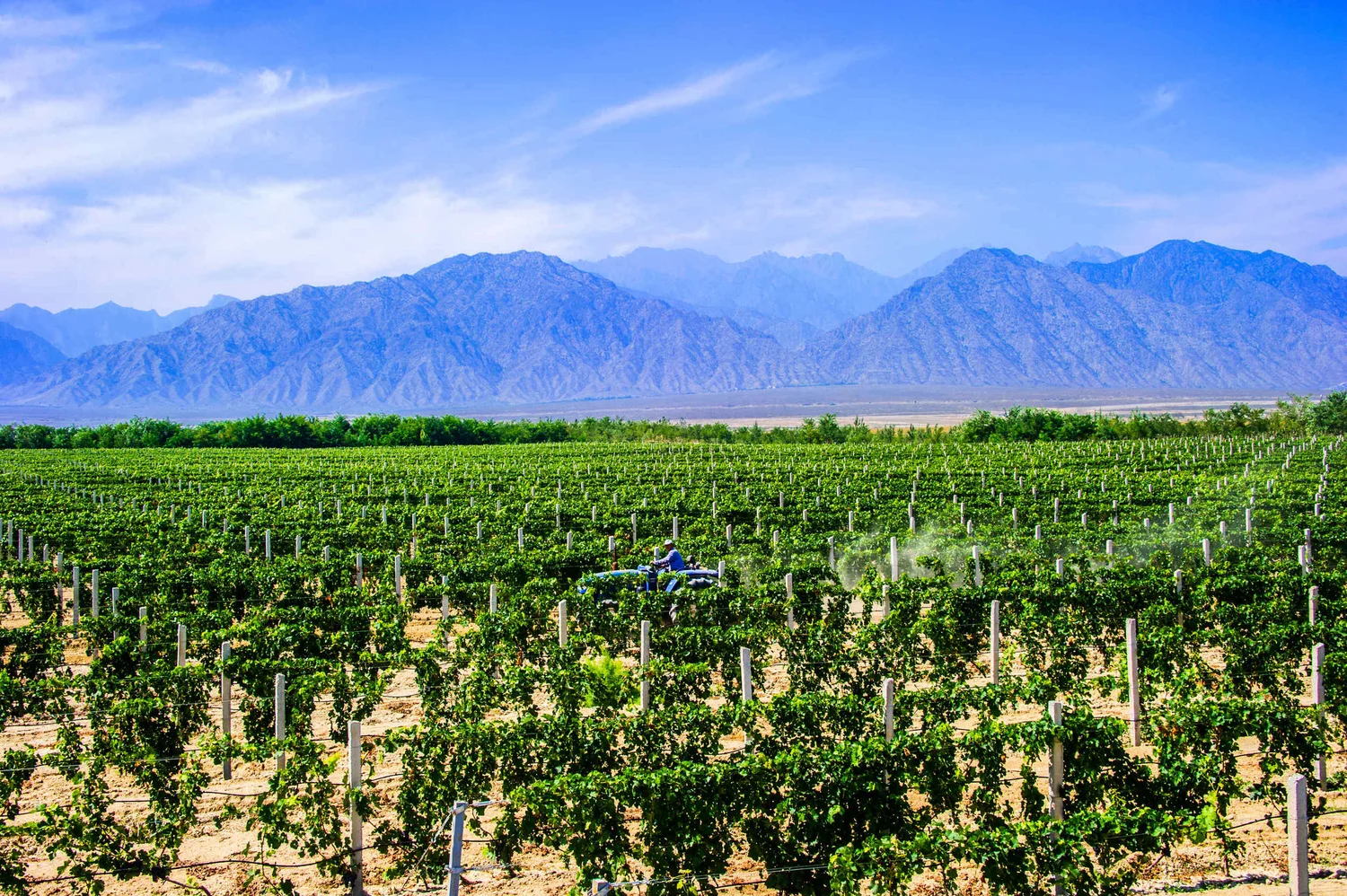
Welcome to Ningxia — Through My Eyes
My name is Kiki, and I’m a local of Ningxia.
I have also spent several years studying, living and travelling abroad, so I have always felt that I see Ningxia from two perspectives: as someone who grew up here, and as someone who understands what it feels like to discover China from the outside. I speak Chinese, English and Spanish, and over the years I have found myself becoming a bridge between Ningxia and people from around the world.
My journey into the wine industry was completely unexpected.
I first came into contact with Ningxia’s wine industry in 2012, when I returned home after studying overseas. At the time, I had never imagined that wine would become part of my life. In fact, I am allergic to alcohol and have never been a wine drinker.
That year, several foreign winemakers came to Ningxia for a wine competition. I met a Spanish winemaker through Couchsurfing, simply because I wanted to practice my Spanish. Through him, I met other winemakers, including one from New Zealand who later became an important mentor and colleague. I began working with him, learning about winemaking through hands-on experience, both in Ningxia and at a winery in Yunnan.
That was how my wine education really began — not from a textbook, but from people, vineyards, cellars, conversations and everyday work.
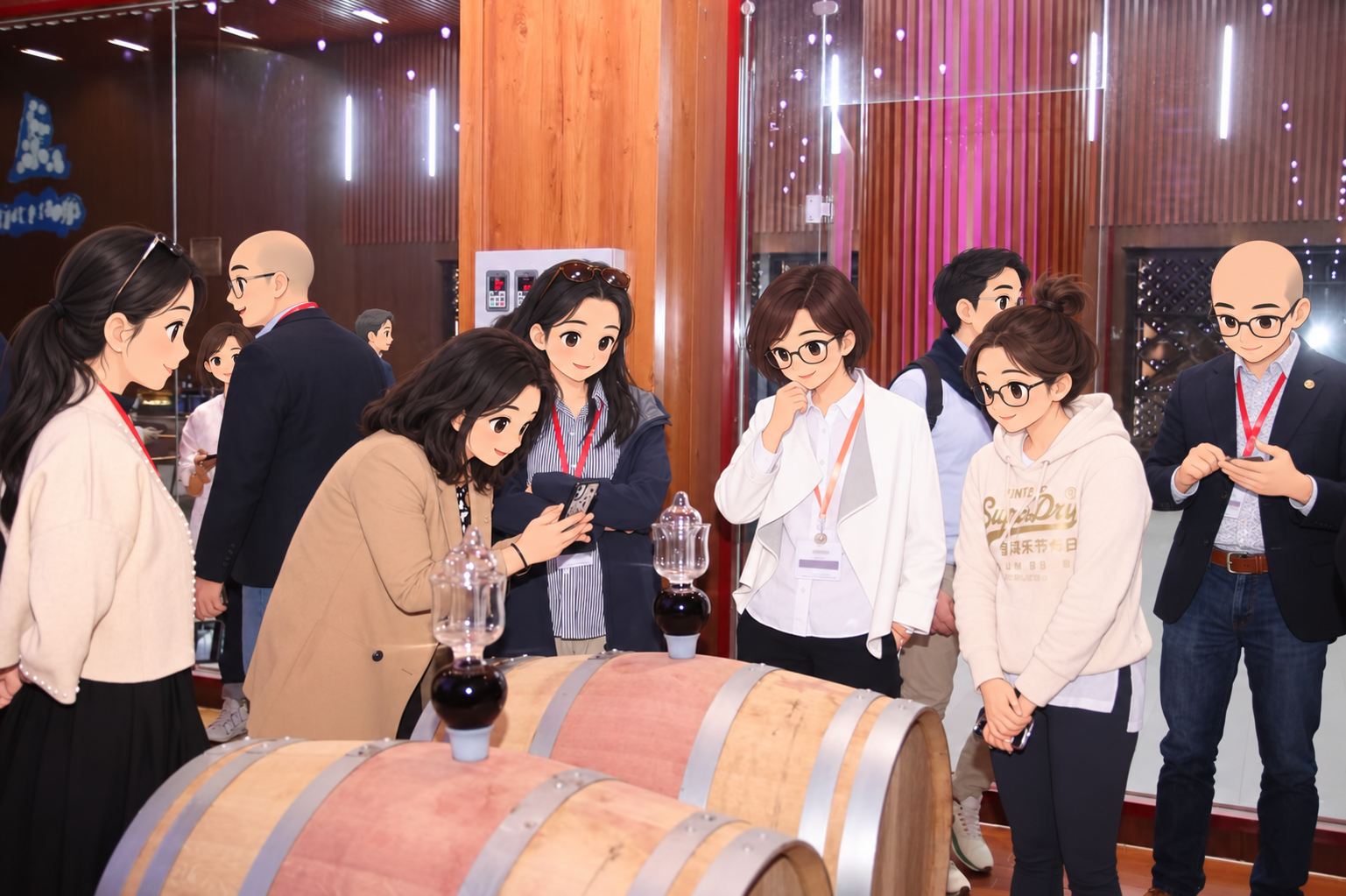
Over the following years, I became involved in many of Ningxia’s wine events and international exchanges, often working as an interpreter. I met government officials, winery owners, winemakers, wine professionals and visitors from many different countries. Gradually, I came to understand not only how wine is made, but also how an entire wine region develops.
I have been lucky enough to witness that development from very close by.
When I first became involved, Ningxia had only a small number of wineries. Today, there are many more, and the quality and international recognition of the wines have developed remarkably quickly. I have known some winery owners and winemakers for more than a decade. I have seen them move from one winery to another, establish their own projects, experiment with different varieties and techniques, and receive recognition in international competitions.
I have also seen how people’s perceptions of Chinese wine have changed.
In 2018, I travelled to London with a Ningxia winery for an industry event. At that time, only a couple of Ningxia wineries were presenting their wines there, and many people we met had never heard of Ningxia — or had very little idea that China could produce serious wine.
Years later, I met an Argentine winery owner whom I had first hosted in Ningxia when I was only beginning to know the wine industry myself. When he returned to Ningxia in 2025 for the Concours Mondial de Bruxelles, he was amazed by how much the region had changed. The number of wineries had grown enormously, and the quality of the wines had become much more consistent and internationally competitive.
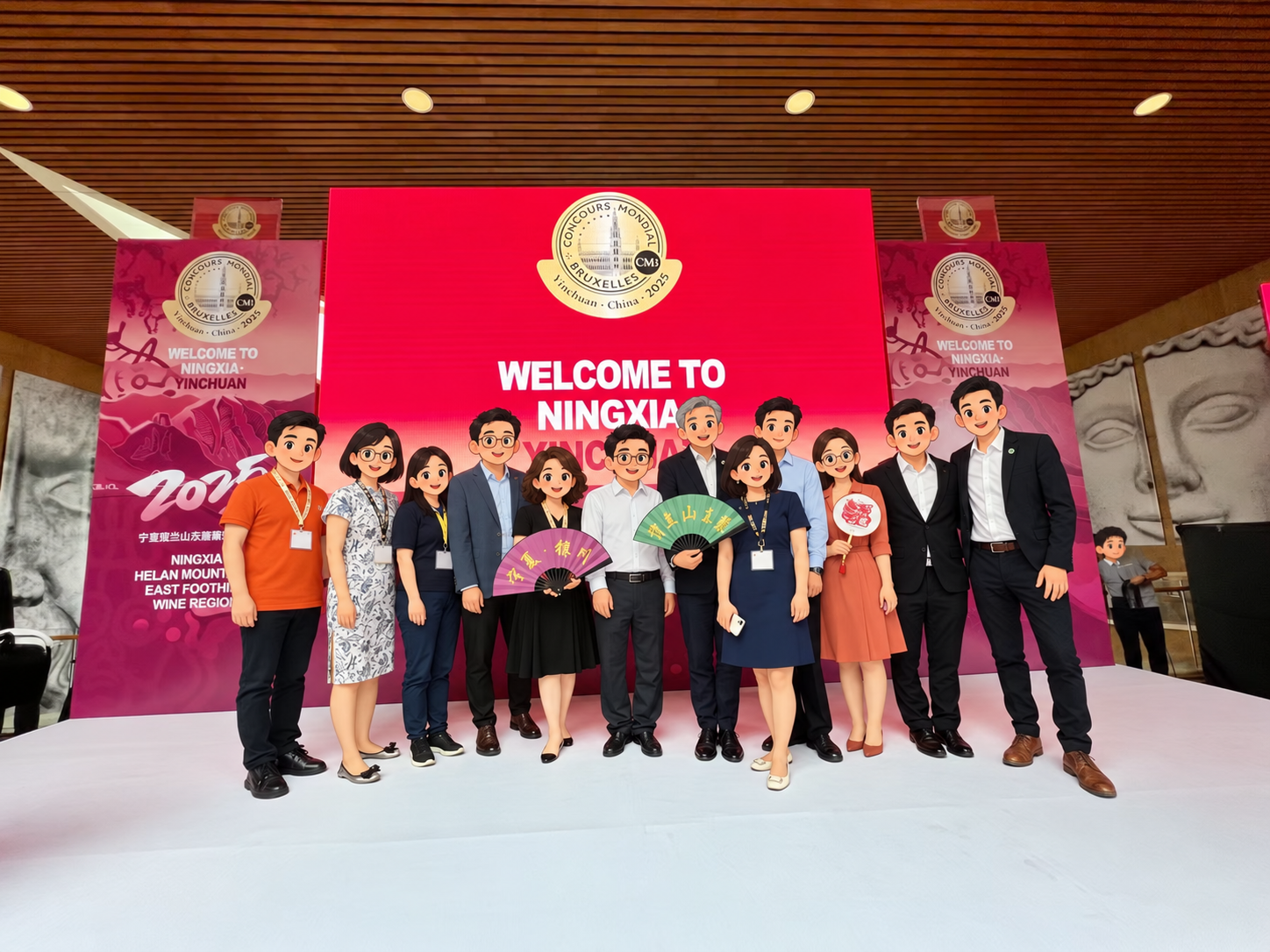
For me, moments like this are a reminder of how extraordinary it has been to watch a wine region develop almost in real time.
Why Wine Ningxia?
I started Wine Ningxia in 2016.
At first, my idea was simple: I wanted to create an English-language platform to introduce Ningxia to people outside China.
My postgraduate studies were in local development, and I have always been interested in how places develop and how people can contribute to that process. Ningxia is not one of China’s most internationally famous regions, and that is precisely what makes it interesting to me.
I have had the privilege of watching wine become an important part of Ningxia’s development. For someone who cannot even drink alcohol, being part of this story has been both unexpected and deeply meaningful.
Over the years, more and more people found Ningxia through my website. In the beginning, most were wine professionals. Later, I began receiving enquiries from people living in China, independent wine lovers and travellers who simply wanted to discover somewhere different.
And I realized that wine was only the beginning.
Ningxia Is Much More Than Wine
People often come to Ningxia because they are curious about the wine.
But they often leave talking about the food.
Ningxia has wonderful local cuisine, and the lamb is something that almost never fails to impress visitors. For many people, discovering Ningxia’s food becomes just as memorable as discovering its wine.
Then there is the history.
Ningxia does not have the enormous historical legacy of Beijing or Xi’an, but it has its own fascinating story. The Western Xia, or Xixia, dynasty existed for nearly two centuries and left behind a history that is surprisingly little known outside the region. If I tell you that Genghis Khan died during a campaign against Xixia in Ningxia, I usually have your attention.
Then there are the Helan Mountains, sections of the Great Wall, the desert, ancient sites and, on a clear night, extraordinary skies for stargazing.
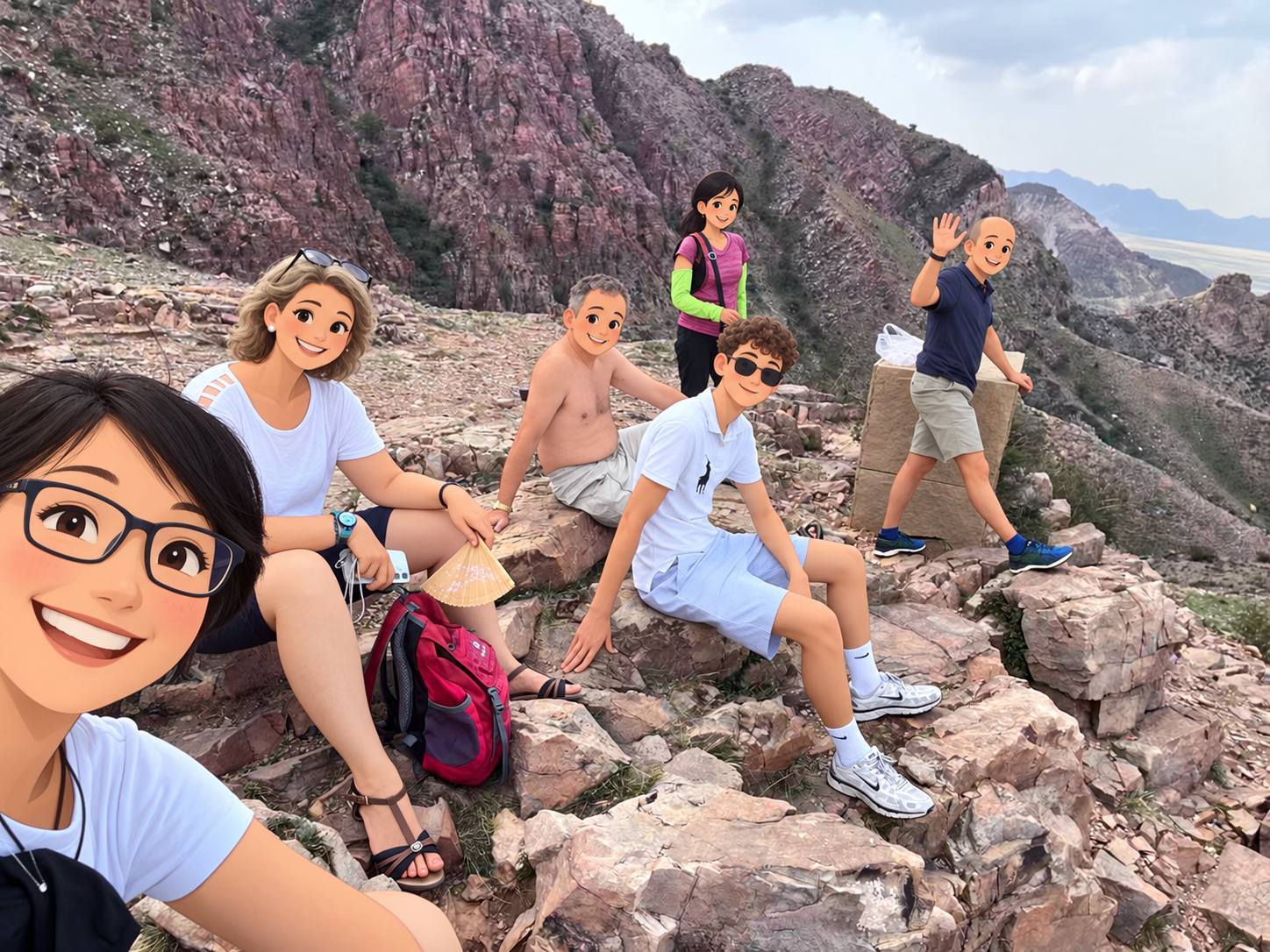
Together, these things make Ningxia much more than a wine destination. They make it a place where you can experience many different sides of China within a relatively small region.
And because Ningxia is not yet a major international tourism destination, you can also experience a side of China that many visitors never encounter in the country’s largest cities — a more local, less familiar, and often wonderfully spontaneous side.
Seeing Ningxia as a Friend
This is probably the most important difference between travelling with me and taking a conventional tour.
I don’t want to simply take you from one winery to another.
I want to show you Ningxia as I would show it to a friend.
I know many winery owners and winemakers personally. Some of them have been friends and colleagues for more than ten years. When we visit, it doesn’t always feel like a formal tourist appointment. Sometimes it feels more like one friend visiting another.
And because these are often small, hands-on wineries, you never quite know what might happen.
Perhaps the winemaker happens to be working in the cellar when we arrive. If the moment is right, I may ask whether my guests can taste a wine directly from the tank, sample something from a barrel, or simply have a conversation about the vintage and the winemaking process.
Sometimes a winery visit unexpectedly turns into lunch.
Sometimes we leave the planned itinerary behind because you have discovered something you are more interested in.
These moments cannot always be scheduled — and that’s exactly why they are special.
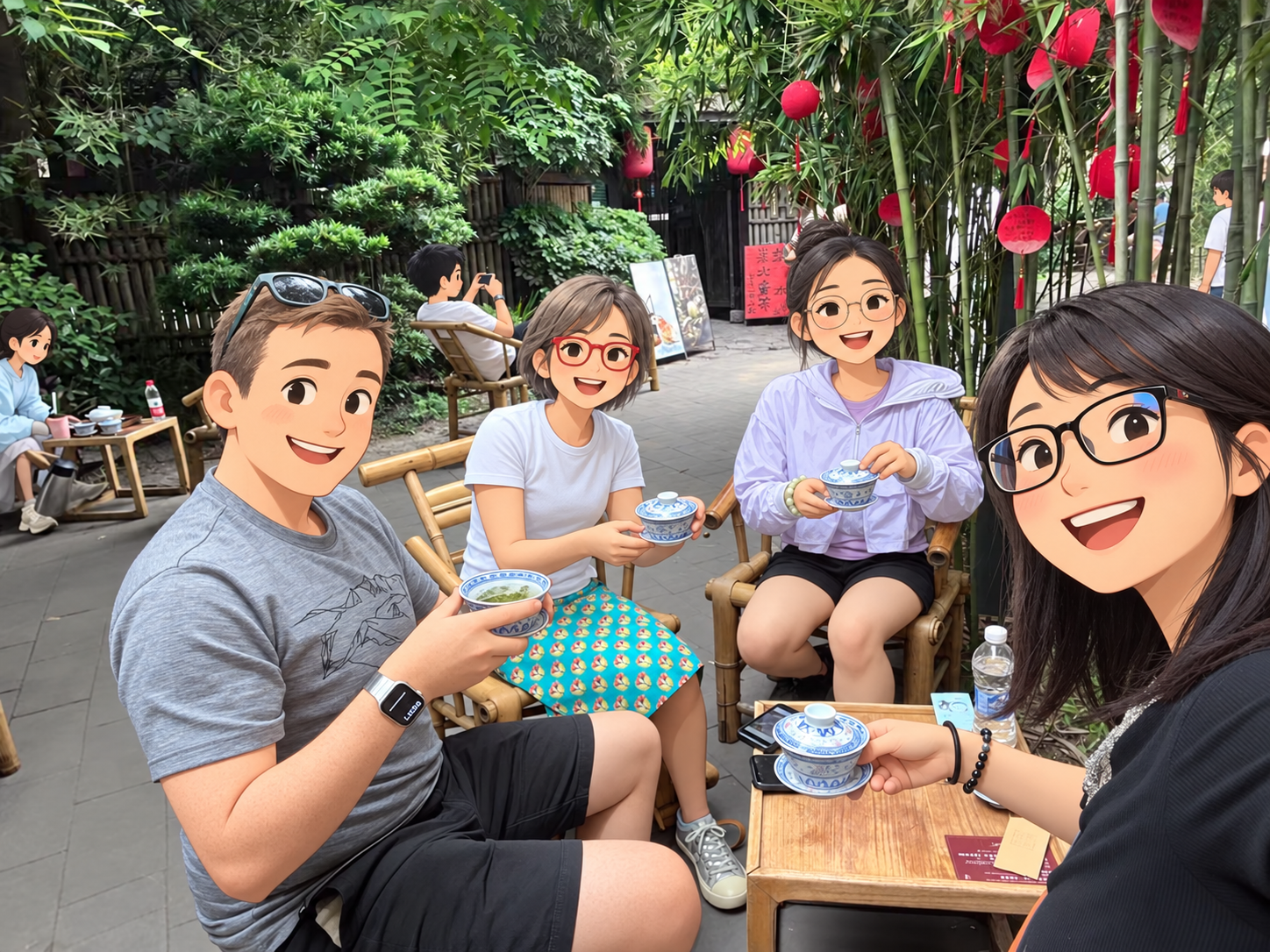
I can arrange professional visits and conversations with winery owners and winemakers when that is what you are looking for. But I can also simply take you to the places I personally love: perhaps sitting with tea beneath the Helan Mountains, walking along an old section of the Great Wall, feeling the sand in the desert, exploring a local market, or sharing a meal around a table.
A Bridge Between Ningxia and the World
My role is not only to guide.
Because many people in the local wine industry do not speak foreign languages, I can help visitors communicate directly with winemakers and winery owners. My background in interpretation, my international experience and my long-standing relationships in the region allow me to explain not only what you are seeing, but also the context behind it.
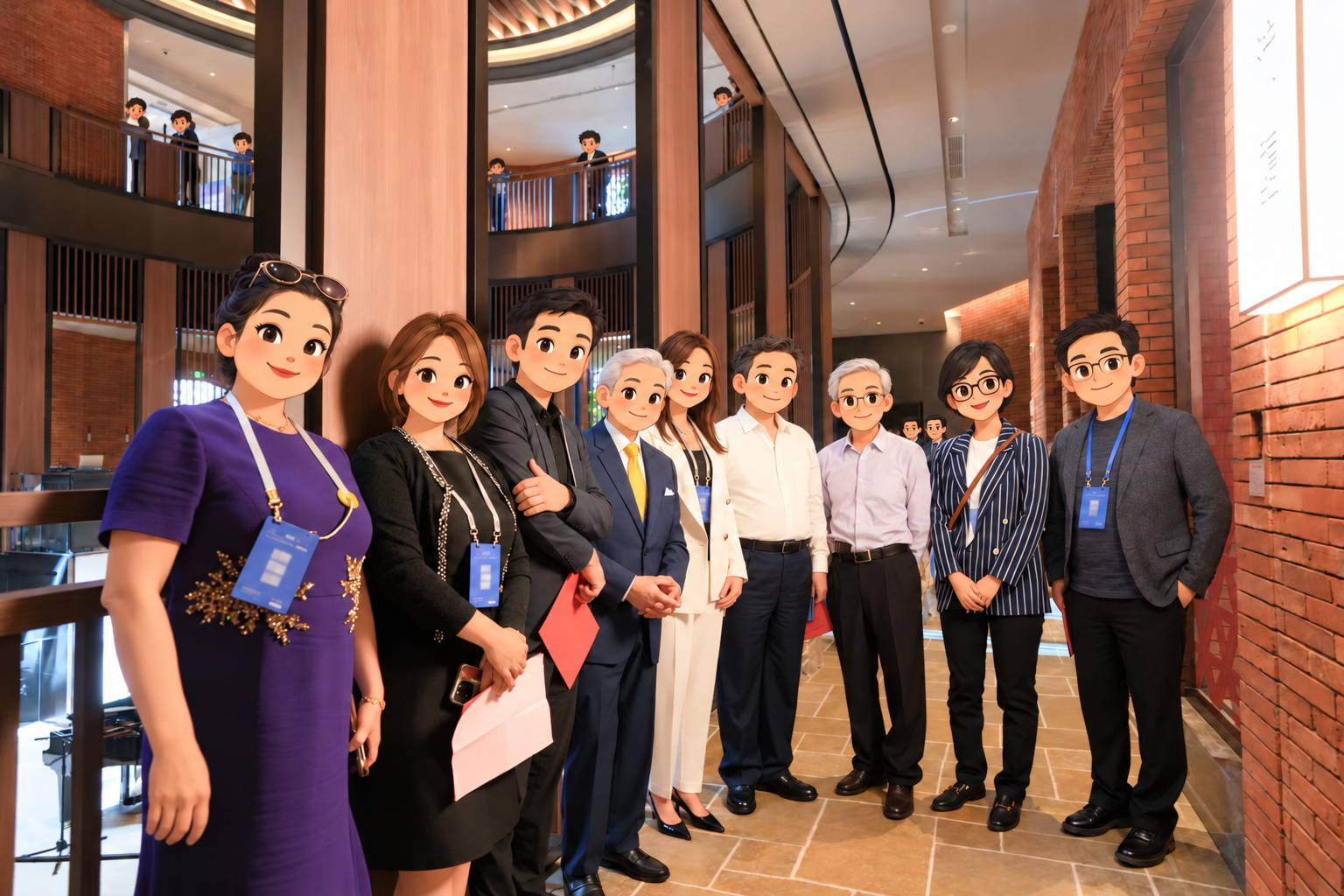
And because I am local, I can take you beyond the tourist version of Ningxia — to the food, people, places and small experiences that are part of everyday life here.
I want visitors to feel comfortable asking questions, changing their minds, following their curiosity and discovering something unexpected.
Come for the Wine. Discover Ningxia.
Over the years, I have had many visitors tell me that they came because of the wine, but left with something much bigger.
They discovered a lamb dish they still remember.
They were surprised by the quality of Ningxia’s wines.
They met a winemaker and became fascinated by his or her story.
They stood in the desert, walked along the Great Wall or looked up at the stars.
Some have told me that they would like to return in five or ten years, simply to see how much the wine industry has changed.
That is perhaps what makes me happiest.
I don’t just want people to have a good trip. I want them to leave with a connection to Ningxia — something they remember, something they tell their friends about, and perhaps a reason to come back.
Ningxia is still a young wine region, and its story is still being written.
I have been fortunate enough to witness much of that story since 2012.
Now, I would like to share it with you.